Infrared sauna and cold plunges promise recovery and longevity. We examine the evidence for heart health, heat shock proteins, and inflammation, separating science from hype.
A look at the science behind infrared sauna and cold plunges: where the evidence is strong, where it's thin, and how to use these tools for recovery.
The most solid evidence in this space isn't about detox or instant recovery. It's that repeated heat exposure, enough to raise core temperature significantly, is associated with a lower risk of cardiovascular death. That's the starting point for any conversation about sauna use: the Finnish data is genuine and compelling. Cold plunges, by contrast, have a thinner evidence base for hard outcomes, though they may help with perceived recovery and mood. That puts them in the promising rather than proven column for longevity.
### How Heat Stress Works, and Why It Matters for Your Heart
When your core temperature climbs to around 39°C and stays there for 20 minutes or more, your cells produce heat shock proteins. These are protective chaperone molecules that repair misfolded proteins and help maintain cellular function under stress. In the cardiovascular system, repeated sauna use improves endothelial function, lowers blood pressure, and reduces markers of inflammation.
The landmark Finnish Kuopio Ischaemic Heart Disease Study followed over 2,000 middle-aged men for a median of 20 years. Men who used a sauna four to seven times a week had a 50% lower risk of fatal cardiovascular disease compared with those who used it once a week. The benefit was dose dependent: more sessions, more protection. This isn't a flimsy association. The evidence is prospective, controlled for confounders, and biologically plausible.
Brian Johnson's emphasis on hitting that 39°C internal temperature to activate heat shock proteins is grounded in this science. But the studies he references used traditional Finnish saunas at 80°C to 100°C with low humidity. That matters, because not all saunas deliver the same thermal load.
### Infrared vs Traditional Sauna: Are They Interchangeable?
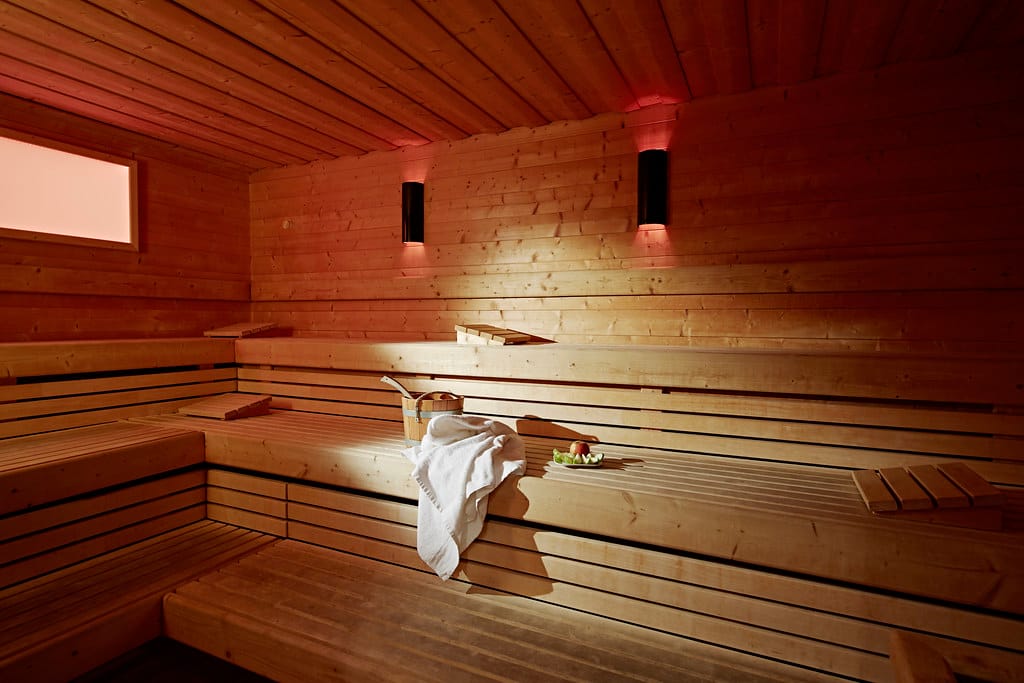
Infrared saunas heat the body directly with light, so the ambient air temperature is lower, typically 40°C to 60°C. They feel more tolerable, and you sweat, but the evidence for hard outcomes is extrapolated, not direct. Most long-term cardiovascular benefit comes from studies on traditional saunas. That doesn't mean an infrared sauna does nothing. It can still raise core temperature, especially if sessions are longer (30 to 45 minutes). But there are no large cohort studies specifically on infrared sauna and mortality.
If you use an infrared sauna, a practical rule of thumb is to aim for a session length that gets you to a clear thermal stress, heavy sweating and a subjective sensation of heat being somewhat uncomfortable but safe, rather than a set time on a dial. The goal is the heat shock protein response, not just a warm box.
### Cold Plunges: What the Evidence Shows for Recovery
Cold water immersion, usually 10°C to 15°C for two to five minutes, reliably reduces delayed onset muscle soreness after exercise. A 2012 Cochrane review found that cold water immersion reduced soreness by about 20% compared with passive recovery. It also lowers circulating markers of muscle damage and inflammation acutely. For an athlete in a multi-day competition or someone doing back to back training sessions, that can be useful.
Beyond recovery, cold exposure triggers a surge of noradrenaline, which improves mood and alertness in the short term. Some people report feeling mentally sharper and more resilient after regular cold plunges. But there are no long-term studies linking cold water immersion to reduced cardiovascular disease or increased lifespan. The evidence for immune function or metabolic benefits is mixed and mostly from small, short studies.
A nuance worth knowing: doing cold plunges immediately after resistance training may blunt some of the molecular signals that drive muscle growth. If your primary goal is strength or hypertrophy, you might time the cold session on a different day or at least a few hours after training.
### Where the Evidence Gets Thin
Both saunas and cold plunges attract a lot of claims. Saunas do not "detoxify" the body in any clinically meaningful way; your liver and kidneys handle that. Cold plunges are not a permanent metabolic reset. Warm water immersion has not been shown to deliver the same cardiovascular benefits as dry heat, so a hot bath is not a sauna substitute.
Also, more is not always better. Extremely frequent or prolonged cold exposure can lead to cold-induced injuries or, counterintuitively, impair training adaptations. The cardiovascular benefits of sauna are seen at four to seven sessions a week, which is a substantial commitment, not a casual once a week habit.
### How to Use These Tools Sensibly
Think of them as adjuncts, not replacements. A sauna habit is one of the few non-exercise interventions with decent evidence for heart health, but it doesn't make up for a poor diet or a sedentary week. A cold plunge might help you feel fresher the day after a hard session, but it's not a longevity shortcut.
Practical starting points: if you have access to a traditional sauna and can tolerate it, aim for 15 to 20 minutes at 80°C, at least a few times a week, and check in with your clinician if you have a heart condition. For cold plunges, start with short exposures (one to two minutes at around 15°C) and observe how you respond. Neither tool is risk free; listen to your body and don't push through pain.
Whether these practices are right for you depends on your health status, goals, and how they fit into your overall plan. That's a conversation worth having in a consultation where the science meets your individual context.
General information, not individual medical advice. Speak to your own doctor.
References
- Laukkanen T, et al. Association between sauna bathing and fatal cardiovascular and all-cause mortality events. JAMA Intern Med. 2015;175(4):542-548.
- Leppäluoto J, et al. Heat exposure and cold exposure as health enhancement. Int J Circumpolar Health. 2008;67(2-3):206-217.
- Bleakley C, et al. Cold-water immersion (cryotherapy) for preventing and treating muscle soreness after exercise. Cochrane Database Syst Rev. 2012;2:CD008262.