Four Corners took the longevity industry apart. I work in this field every day, and most of it landed. Here is what was fair, what was missing, and how to tell the science from the sales pitch.
Four Corners on 20th July 2026 took the longevity industry apart. I work in this field every day, and I think most of it landed. I watched it as a doctor in preventive and regenerative health who regularly reviews the evidence, regulation and safety issues around unapproved and emerging treatments. Here is what was fair, what was missing, and how to tell the science from the sales pitch.
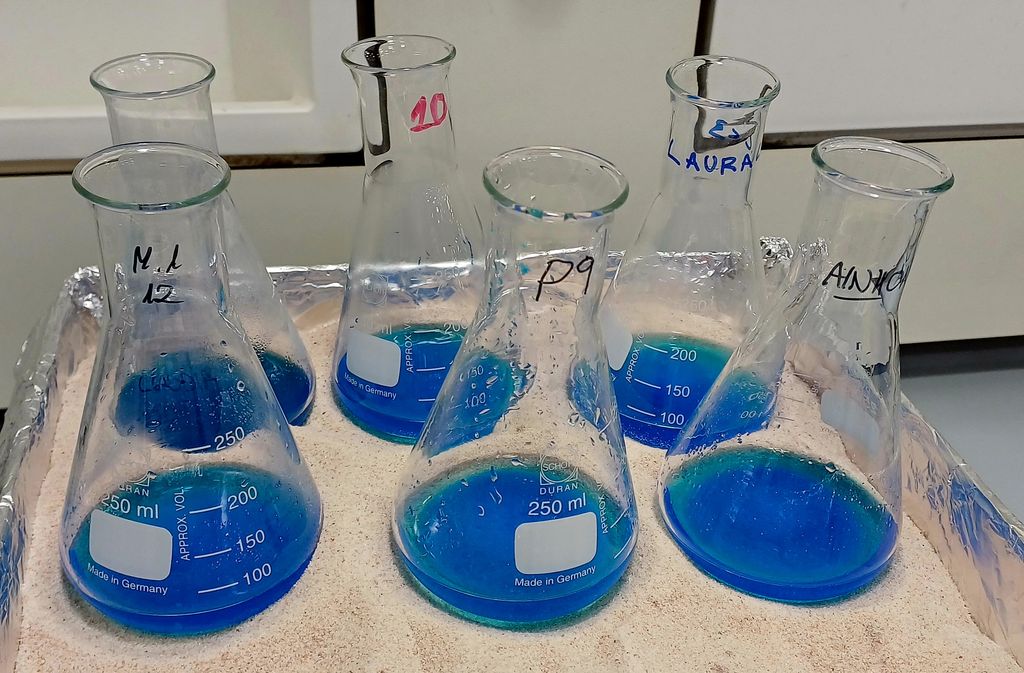
A lab in Melbourne opened a vial of peptide bought online. The label said it was a copper peptide. The liquid was blue. Blue looks premium. Blue looks like it is doing something. The blue was free copper, the sort used to clean out bathtubs and concrete, added so the product would photograph well for social media. Inside the vial was about 40 per cent of the peptide the label promised, and enough loose copper to be a real toxicity concern. A certified reference sample of the same compound is white, not blue.
That one vial tells you almost everything about the wrong end of this industry.
Reporter Dr Norman Swan went looking for that wrong end and found plenty of it. The program counted roughly 100 Australian operators. IV drip bars, recovery studios, biological age kits, telehealth doctors writing scripts for unapproved peptides. I watched expecting to wince. Mostly I nodded.
The grey market is exactly as bad as it looked
The program sent three peptides bought online to an analytical lab. The copper peptide came back at roughly 40 per cent of its labelled dose. One tissue repair peptide was closer, around 80 per cent. Another repair peptide contained none of its labelled compound at all. On top of that, heavy metals, and the copper colourant trick above.
An unregulated supply chain does this. There is no batch testing, no sterility guarantee, and no reliable dose. When you buy a peptide off a website, you are trusting a stranger's chemistry with your bloodstream, and hoping the photo on the listing bears some relationship to what is in the tube. The lab proved it usually does not.
This is not a fringe problem. One needle and syringe program on the Gold Coast reported a 600 per cent rise in demand, which is one of the clearest signals we have that home injecting has boomed. The products are sold "for research purposes only", which is the legal fig leaf that lets a market exist without approval. They are marketed in stacks with superhero names. None of it is approved for human use, and most of it has little or no human trial data behind it.
The part that should worry doctors most
The program also tested the version people assume is safer: a script from a telehealth doctor.
A healthy researcher was prescribed four peptides, among them a growth hormone releasing combination, a tissue repair peptide and a copper peptide, for a short course costing about $1,182. Her treatment plan read like a legal document and carried no doctor's signature. That is the tell. When the paperwork exists to protect the clinic rather than to inform the patient, something is off.
An endocrinologist who reviewed the plan flagged the real risks. Growth pathway peptides can drive fluid retention, aggravate joints, disturb blood sugar, and raise the question nobody selling them wants to sit with, which is cancer, because several of these agents act on growth signalling.
Here is the point the industry keeps blurring. A prescription is not the same as evidence. A doctor is legally allowed to prescribe an unapproved product. That does not mean the evidence justifies it, or that the patient understood the trade they were making. Legality and wisdom are two different questions, and the fix for an under trained corner of medicine is better standards, not louder outrage.
When something claims to fix everything, hear the opposite
The overseas clinics in the program followed a familiar script. Vitamin IV drips, NAD infusions, full body MRI, cryotherapy, plasma exchange. One founder promised to make your healthspan match your lifespan and named his market as, simply, everybody.
Biology does not work on everybody, and it does not work on everything. When a product is sold as the answer to fatigue, brain fog, joints, mood and ageing all at once, that breadth is not a strength. It is a warning.
Two examples worth calling out. Full body MRI for well people is not endorsed by the cardiology colleges, because it turns up incidental findings that trigger anxiety, more scans and procedures, with little benefit for most. And NAD infusions, one of the most popular longevity add ons, were described on the program by researchers as poor value, with thin human evidence that they slow ageing. You can support your mitochondria for nothing by eating less rubbish, drinking less alcohol and moving more.
The science is real. It is just not for sale yet
To its credit, the program did not treat the whole field as a scam. It split the snake oil from the serious science, and the serious science is genuinely exciting.
There are labs, heavily funded, working on epigenetic reprogramming that can rewind a cell's biological age. A first in human trial is trying to restore vision through the optic nerve. Others are attempting to regrow the thymus to rebuild an ageing immune system. This is careful, slow, human trial work. Slow is the important word. Discovery is allowed to move fast. Human medicine is not, and should not.
Biological age testing sits in the same honest middle. The epigenetic clocks shown in the program are a useful way to measure whether an intervention is nudging your biology in the right direction over months. But a pace of ageing number is a research tool, not a diagnosis, and different clocks do not always agree with each other. It is a speedometer, not a verdict.
The lesson runs both ways. The existence of cowboys does not make the science fake. And the reality of the science does not mean what is being sold in a clinic today has caught up to it.
What actually works, and it is mostly free
The most powerful stretch of the whole hour was the least glamorous. Researcher after researcher, people who study this for a living, kept pointing at the same unsexy things. Muscle. Cardiorespiratory fitness. Sleep. Food quality. Not drinking too much. A Greek family in Melbourne, eating out of their own garden, was quietly doing more for their healthspan than any drip bar in West Hollywood.
Run every claim you meet through three questions.
Evidence. Does it change a real outcome, like a heart attack or loss of independence, or only a number on a screen?
Safety. What is the downside, and how does it interact with everything else you are doing?
Upside. Is the benefit actually worth it? Would you give it to someone you love?
Then sort it. Proven goes first, and drives the plan. Promising gets watched. Experimental stays optional, supervised, and honestly labelled. The grey market inverts this completely. It sells the experimental as if it were proven, and skips the safety question altogether.
The fear of ageing is real, and it is being sold hard. A blue vial, a five figure membership, a stack named after a superhero. Underneath the marketing, the honest version of this field is quieter, and most of it costs nothing. Test what is worth testing. Fix the basics first. Reserve the emerging tools for the few people who genuinely suit them, with a doctor who will tell you when the answer is no.
That is the whole job. More years thriving, fewer years declining. Everything else is packaging, and some of it is just blue dye.
General information, not individual medical advice. Speak to your own doctor.
A note on naming. I have deliberately referred to the compounds above by class rather than by name. That is an editorial choice, in keeping with Therapeutic Goods Administration (TGA) advertising rules on how unapproved and prescription only substances may be referred to in public content. If you want the specifics, watch the program.
Watch
Four Corners, longevity investigation reported by Dr Norman Swan. ABC, 20 July 2026. Watch on ABC iView: https://iview.abc.net.au/video/NC2603H023S00. The program identified roughly 100 Australian operators and highlighted the regulatory gap between the Australian Health Practitioner Regulation Agency (AHPRA) and the Therapeutic Goods Administration (TGA).
Frequently asked questions
Are peptides bought online safe?
No. When Four Corners sent online peptides to an analytical lab, one copper peptide came back at roughly 40 per cent of its labelled dose, one repair peptide contained none of its labelled compound at all, and there were heavy metals and a copper colourant added to make the liquid look premium. An unregulated supply chain has no batch testing, no sterility guarantee and no reliable dose. You are trusting a stranger's chemistry with your bloodstream.
Is a telehealth peptide script safer than buying online?
Not automatically. A prescription is not the same as evidence. A doctor is legally allowed to prescribe an unapproved product, but that does not mean the evidence justifies it, or that the patient understood the trade they were making. In the program, one healthy researcher was prescribed four peptides on a treatment plan that carried no doctor's signature. Legality and wisdom are two different questions.
Do NAD infusions slow ageing?
The evidence is thin. Researchers on the program described NAD infusions, one of the most popular longevity add ons, as poor value, with weak human evidence that they slow ageing. You can support your mitochondria for nothing by eating less rubbish, drinking less alcohol and moving more.
What actually extends healthspan?
The unglamorous basics. Researcher after researcher pointed at the same things: muscle, cardiorespiratory fitness, sleep, food quality, and not drinking too much. These are proven, they drive the plan, and most of them cost nothing. Emerging tools stay optional, supervised and honestly labelled.