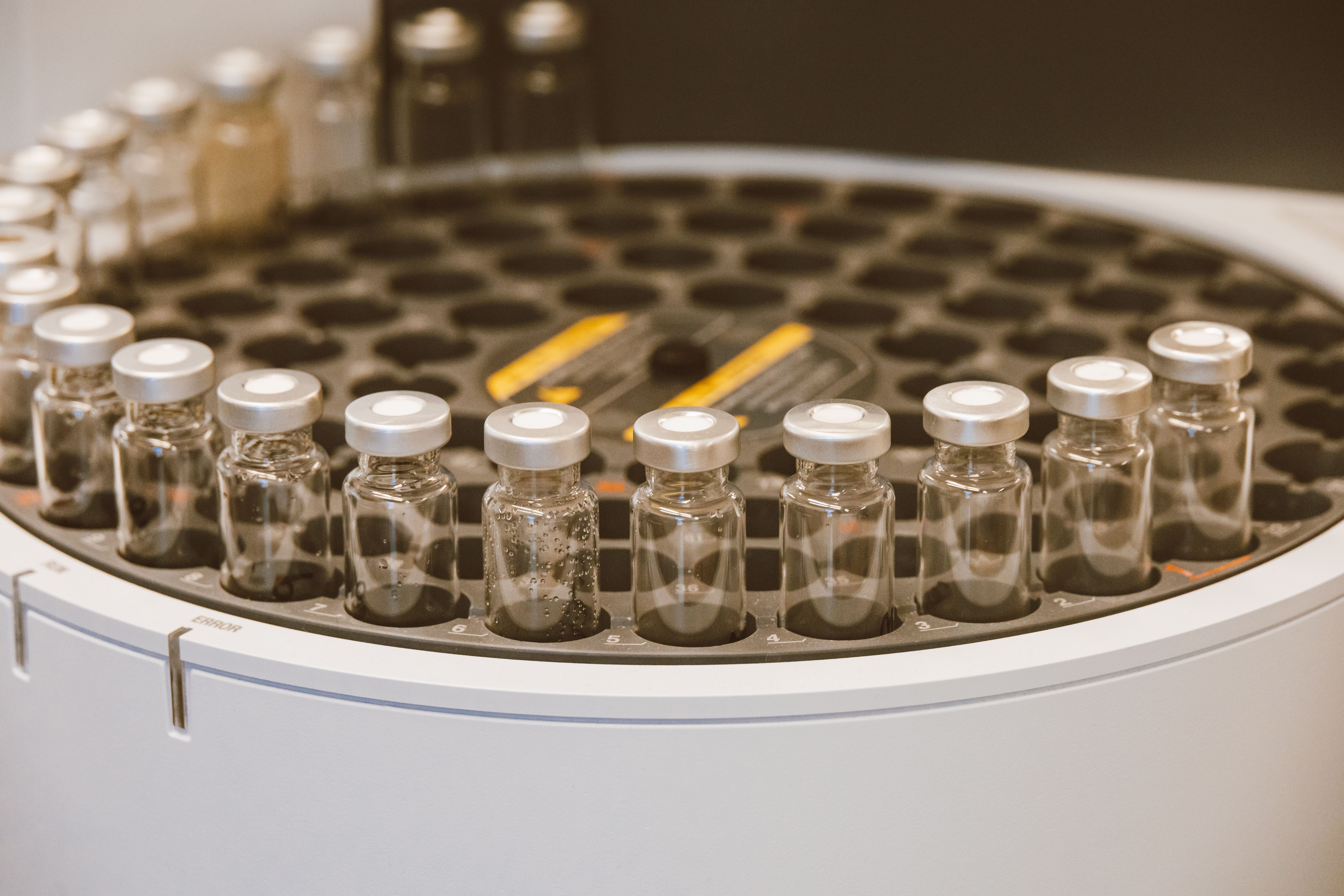
Unregulated peptides sold online are dangerous and illegal. Here's what the evidence says and how to stay safe.
Unregulated peptides sold online are not what they claim to be. In a recent ABC investigation, none of the tested samples contained the dosage stated on the label, and one contained nothing at all. These products are not approved for use in Australia, have not been evaluated for safety, and have been linked to serious harm, including liver injury.
This is not a niche problem. Peptides are being sold openly on Facebook Marketplace, delivered through Australia Post, and promoted on social media. They are marketed for weight loss, muscle growth, anti-ageing, and skin improvement. But the evidence is clear: buying them is a gamble with your health.
What are peptides and why are they risky?
Peptides are short chains of amino acids, the building blocks of proteins. They occur naturally in the body and play roles in immunity, weight regulation, ageing, and hormone function. Some peptides are approved medicines in Australia, such as insulin and certain GLP-1 medications, when prescribed by a doctor for a specific medical condition.
But many peptides sold online are not approved. They are not on the Australian Register of Therapeutic Goods, which means the Therapeutic Goods Administration (TGA) has not assessed them for safety, quality, or effectiveness. As the TGA has warned, unapproved peptides can cause serious adverse effects, including liver damage, severe allergic reactions, and inflammation.
One of the most widely promoted is retatrutide, often called "reta". It is an experimental drug, not approved as a medical product in Australia. Despite this, it has been linked to acute liver injury, with six cases recorded in Victoria so far this year. In trials, retatrutide has also been associated with elevated heart rate, increased liver enzymes, and gastrointestinal upset.
What the ABC investigation found
The ABC coordinated a purchase of peptides from a dealer on Facebook Marketplace. The dealer operated under a pseudonym with a blank profile picture, offering dangerous products like melonatan II, a tanning peptide, and retatrutide. The purchase was easy: a quick search, a message, and a $50 exchange for a vial and syringe.
Sellers often advertise free delivery and offer to meet face-to-face or send the drugs through the post. Rebecca Lang, chief executive of the Queensland Network of Alcohol and other Drug Agencies, described Australia Post as "Australia's largest drug dealer", noting that millions of packages enter the country each year, making it impossible to police every one.
Australia Post responded that sending illicit items is prohibited and that it works with law enforcement, including the Australian Border Force, to support detection operations.
The products don't even contain what they claim
University of Queensland researcher Dr Timothy Piatkowski tested samples of peptides bought online, including retatrutide, BPC-157, TB-500, and GHKCu. The results were concerning:
TB-500 contained nothing at all.
The other peptides contained between 40% and 190% of their labelled dose.
The 190% result came from a vial of retatrutide.
Small amounts of lead and cadmium were detected in some samples, though within permissible daily limits.
Dr Piatkowski said the findings were "pretty concerning". He also noted that "certificates of analysis" from manufacturers are easy to fake. "It's really hard to verify any of those claims without a chain of custody," he said.
The legal reality
It is illegal to sell, supply, or advertise unapproved peptides in Australia. The TGA has issued warnings to social media influencers that "large fines and penalties apply to illegal advertising". In April 2026, a joint operation with the Australian Border Force and Victoria Police led to three arrests and the seizure of $2 million worth of products.
Despite this, the products remain readily available. Many are marketed as "research chemicals" with disclaimers like "for laboratory and analytical research use only. NOT for human consumption". But as the TGA has stated, such disclaimers do not make the supply lawful.
Meta, which owns Facebook and Instagram, said it had removed marketplace ads for peptides as they violated its policies. But a search just a week later returned similar results. TikTok said it does not allow the sale of regulated goods and that searches for retatrutide return no videos.
The telehealth problem
There is another layer to this. Some telehealth clinics are exploiting the wellness space, prescribing peptides and hormones as part of anti-ageing programs with little accountability. These clinics often operate with a single focus on selling these products, rather than providing comprehensive, patient-centred care. This approach is drawing the attention of both the TGA and AHPRA, and rightly so.
More regulation is needed. But banning these therapies outright in medical practice isn't the answer either. That would simply drive the market further underground, making it even harder to monitor and control. The solution is a fine balance: sensible regulation, combined with open consultation between medical experts and regulators. We need to find a way to allow legitimate, evidence-based use while cracking down on the cowboy operators.
What this means for you
The takeaway is simple: do not buy peptides online. You cannot know what you are getting, how it was made, or what it will do to your body. The risks are real and potentially serious.
If you are considering a peptide for weight loss, muscle growth, or any other reason, the only safe approach is to discuss it with a qualified health professional. They can help you understand what is proven, what is promising, and what is experimental, and whether any treatment is appropriate for you.
FAQ
Are any peptides legal in Australia? Yes, some peptides are approved by the TGA as prescription medicines, such as insulin and certain GLP-1 medications. They are only legal when prescribed by a doctor and supplied through legitimate channels.
Can I get in trouble for buying peptides online? Yes. It is illegal to import, possess, or use unapproved therapeutic goods in Australia. You could face fines or other legal consequences.
What should I do if I've already bought peptides online? Stop using them and speak to your doctor. They can assess your health and advise on any necessary monitoring.
General information, not individual medical advice. Speak to your own doctor.